
Open Today! Sales: 9am-5pmService: 8am-12pm
When you’re driving around Racine, WI, the last thing you want is a mysterious light popping up on your dashboard. At Frank Boucher Kia of Racine, we know how unsettling it can be when those little icons appear. Some are simple reminders, while others are warnings you shouldn’t ignore. Understanding Kia dashboard lights and their meanings can save you time and money, and may even prevent a breakdown on the side of the road.
Let’s break down the most common lights you’ll see and why they matter.
Check Engine and Dashboard Lights:

This is the one that makes most drivers nervous. So, what does a check engine light mean on a Kia? It can indicate anything from a hanging gas cap to a misfire. The tricky part is that the light doesn’t tell you exactly what’s wrong—it just tells you something needs attention. Ignoring it could lead to bigger problems, so it’s always smart to schedule service as soon as possible.
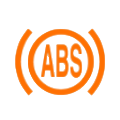
Your Anti-lock Braking System (ABS) is designed to prevent wheel lockup during sudden braking. If the ABS light comes on, it means the system isn’t working correctly. While your brakes will still function, you may lose that extra layer of safety in slippery conditions. That’s not something you want to risk during a Wisconsin winter.
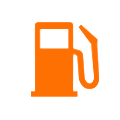
This one’s straightforward. When the low fuel light comes on, you’re running on fumes. While it might be tempting to push it a few more miles, consistently driving with low fuel can damage your fuel pump. Plus, running out of gas is never convenient. Consider it a friendly reminder to stop at the next station.
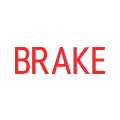
Unlike the ABS light, the brake system warning indicates low brake fluid or a braking system issue. When this light comes on, it’s not something to put off—have your Kia inspected right away. Since brakes are essential to your safety, this is one alert you’ll want to take seriously.

If you see the battery icon, your Kia’s charging system isn’t working correctly. It could be the battery, alternator, or even a loose connection. The longer you drive with this light on, the greater the chance your car won’t start the next time you turn the key. A quick inspection at Frank Boucher Kia can pinpoint the issue before you’re stranded.

Engines run hot, and coolant keeps them from overheating. If the coolant light comes on, it indicates the coolant level is low or the system isn’t working correctly. Driving with low coolant can cause severe engine damage. Pull over safely, let the engine cool, and get it checked right away.

This light usually flashes when the system is actively working to keep your Kia stable—like when you’re driving on icy roads. If it stays on, though, it could mean the system is disabled or malfunctioning. While your car will still drive, you’ll lose an important safety feature designed to keep you in control.

Low oil pressure or low oil levels trigger this warning. Unlike the check engine light, this one is urgent. Driving without proper oil pressure can cause catastrophic engine damage. If you see this light, stop driving and have the vehicle serviced immediately.
It’s easy to dismiss dashboard lights as minor annoyances, but they’re your Kia’s way of communicating. Think of them as early warning signs. Addressing issues can prevent costly repairs and keep you safe on the road. At Frank Boucher Kia of Racine, our technicians are trained to diagnose these lights and get you back on the road with confidence.
Dashboard lights aren’t there to scare you—they’re there to protect you. Whether it’s the Kia check engine light or another warning, paying attention to these signals keeps your vehicle running smoothly and safely. If you’re ever unsure about dashboard light meanings, Kia drivers should know to stop by Frank Boucher Kia of Racine. Our team is here to help you understand what’s going on under the hood and make sure your Kia is ready for the road ahead.
It can indicate a wide range of issues, from a loose gas cap to motor problems. The only way to know for sure is to have it diagnosed by a professional.
The light can sometimes reset itself after the issue is fixed, like tightening a gas cap. However, if it stays on, a technician can clear the code after repairs. Resetting it without fixing the problem isn’t recommended.
Not always. Some are reminders, such as the low-fuel light, while others—such as the brake system warning—require immediate attention.
You can, but it’s risky. Your car may run until the battery drains, leaving you stranded. It’s best to get it checked right away.
A: Stop driving immediately. Low oil pressure can cause severe motor damage if ignored.

